A Middle Tennessee Homeowner’s Checklist Before Winter
Resource Tony Carletello November 4, 2026
Resource Tony Carletello November 4, 2026
By Tony Carletello | Carletello & Co. at Compass
Middle Tennessee weather has a way of changing quickly. You can enjoy an afternoon on the porch and find yourself reaching for the heat that evening.
Before holiday plans fill the calendar, I like to walk around the house and handle the small things that are easy to put off. A clogged gutter. A hose still connected outside. That draft around the back door you noticed last winter.
After more than 25 years in real estate, I’ve learned that caring for a home usually comes down to paying attention consistently. You don’t need to tackle everything in one afternoon, but a short November home maintenance checklist can help you get started.
Whether you own a home in Nashville, Bellevue, Brentwood, Hendersonville, Gallatin, or Kingston Springs, here are the areas I would review before colder weather settles in.
Start outside with the path water takes around your home.
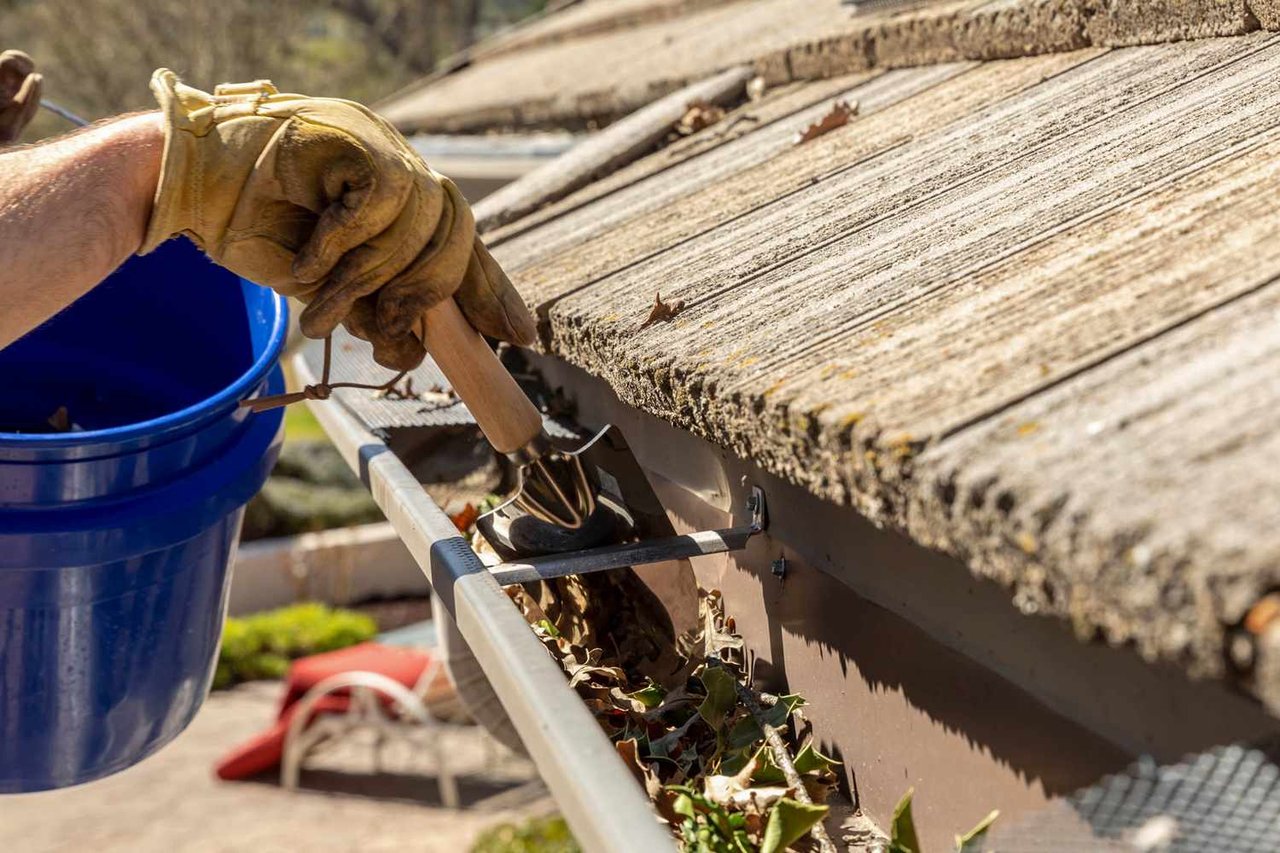
As leaves collect, check gutters, downspout openings, and nearby drains for debris. From the ground, look for overflowing sections, disconnected downspouts, or water collecting near the foundation.
The goal is to keep water moving through the drainage system and away from the house.
On your next rainy day, take a look at what actually happens. Does water flow through the downspouts? Does it spill over the gutter edge? Is there a spot near the house where it consistently pools?
Those observations can help you explain a concern to a gutter or drainage professional.
Add to your checklist:
If the work requires roof access or a ladder setup you aren’t comfortable with, schedule help.
Outdoor plumbing is easy to overlook until cold weather arrives.
Disconnect, drain, and store garden hoses. Check outdoor faucets for leaks, and determine what winter preparation your particular plumbing setup requires.
The American Red Cross recommends draining outdoor hoses and, where separate indoor shutoff valves serve outdoor faucets, closing those valves and draining the exterior lines.
If you aren’t sure whether your faucets are frost-resistant or where the shutoffs are located, ask a plumber. An insulated faucet cover may be part of your preparation, but it should not replace the steps required for your system.
Homes with irrigation systems, pools, or outdoor kitchens may need additional winterization. Follow the equipment instructions or have the appropriate professional handle it.
The useful deadline is before freezing weather arrives—not after something stops working.
Give your heating system some attention before you depend on it every day.
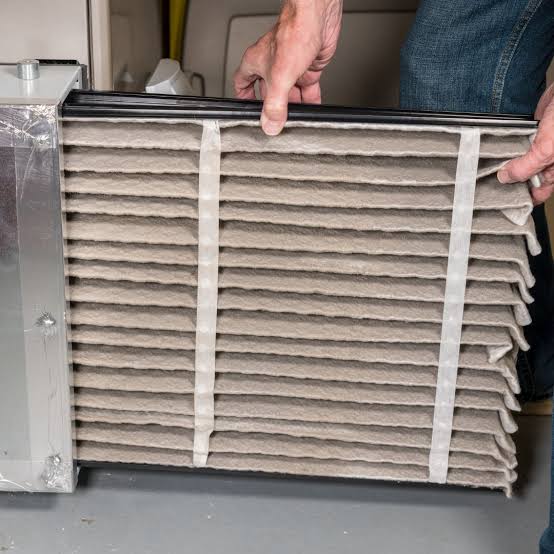
Check the filter and replace or clean it according to the system manufacturer’s instructions. The U.S. Department of Energy recommends checking heating filters monthly and addressing dirty filters.
Make sure supply vents and return grilles aren’t blocked by furniture, rugs, or stored items. Check that the thermostat responds and note any unusual noises, odors, or uneven heating.
If maintenance is due, schedule an HVAC professional to inspect and service the system.
For homeowners who recently moved, this is also a useful time to find the equipment information, confirm the correct filter size, and establish a maintenance schedule.
Walk through the house and pay attention to places that feel noticeably cooler.
Check exterior doors, window frames, and the door between the house and an attached garage. Look for worn weatherstripping, visible gaps, or a door sweep that no longer makes good contact.
The Department of Energy identifies caulking and weatherstripping as ways to address air leaks. Use the appropriate material for the location: movable components and stationary gaps may require different approaches.
You don’t have to replace every window to begin improving comfort. Start by identifying where air is entering and what repair makes sense.
If a window or door also shows water staining, damaged trim, or signs of moisture, have the cause evaluated before simply sealing over it.
With holiday hosting approaching, November is a useful reminder to review your home’s alarms.
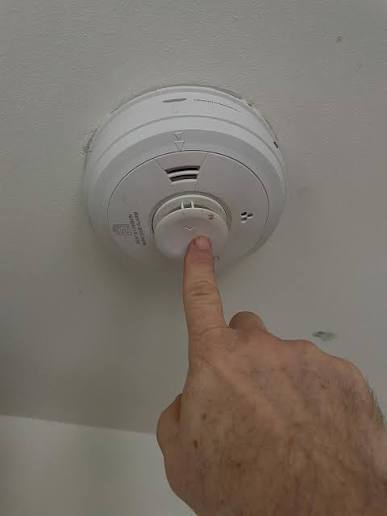
Test smoke and carbon monoxide alarms using their test buttons and follow the manufacturer’s instructions for batteries, maintenance, and replacement. The Consumer Product Safety Commission recommends testing both types of alarms monthly.
Check the age of each unit as well. A battery change doesn’t extend an alarm’s useful life indefinitely.
While you’re thinking about it, make sure everyone in the household recognizes the alarms and knows how to leave the home in an emergency.
This is a quick task that deserves a regular place on the calendar.
Would you know where to go if a pipe or supply line started leaking?
Locate your home’s main water shutoff and make sure it is accessible. Show other household members where it is, too.
If the valve is difficult to reach, heavily corroded, or unfamiliar, have a plumber explain its operation and determine whether it needs attention. Avoid forcing a stuck valve.
For newer homeowners, knowing the location of the water shutoff is one of those practical details that can get lost in the excitement of moving.
Write it down with your other household information so you can find it quickly when needed.
Take a short walk around your property after dark.
Can you clearly see the front steps? Is the path from the driveway well lit? Are leaves hiding an uneven surface or making a walkway slippery?
Check porch lights, garage lights, and fixtures along frequently used paths. Clear leaves from steps and walking surfaces, and address loose handrails or damaged areas.
Think about the entrances guests and delivery drivers will use during the holidays, along with the route you take every day.
A few small fixes can make the home easier to navigate.
If you’ll be away for the holidays, add a home check to your departure list.
Confirm that your heating system is operating, address known plumbing concerns, and arrange for someone to check the property when appropriate. The American Red Cross advises leaving the heat on at no lower than 55°F when away during cold weather; your home’s plumbing and circumstances may require additional precautions.
If you own a vacant property or a home that is currently listed for sale, establish who will monitor it and how any problems will be reported.
A simple plan is easier to put together before you leave town.
Save this list and work through it as your schedule allows:
Start with active leaks, heating concerns, and work that needs to happen before freezing weather. Then move on to the smaller comfort and upkeep items.
If selling your Nashville-area home is on your mind, keep a simple record of the work you complete.
Save service receipts, repair invoices, warranty information, and notes about equipment maintenance. Having those details organized can make it easier to answer questions when you prepare to list.
It can also help you decide what deserves attention before photography and showings.
You don’t need to turn every seasonal task into a major renovation. If you’re unsure where to spend your time or money, have a conversation about your plans before committing to a large project.
Begin before freezing temperatures are expected. November can serve as a useful annual reminder, but outdoor plumbing and other weather-sensitive tasks should follow the forecast and the needs of your property.
Test your alarms, locate the water shutoff, check the HVAC filter, and disconnect outdoor hoses. Walk around the exterior to identify drainage problems or tasks that need professional attention.
Check it monthly and follow the equipment and filter manufacturer’s instructions for replacement or cleaning. The appropriate schedule depends on your system, filter type, and household conditions.
Yes. A new home still needs routine attention to filters, drainage, outdoor plumbing, and alarms. Review the builder’s maintenance guidance and warranty information so you understand your responsibilities.
You don’t need to finish everything this weekend.
Make a short list. Handle what you can safely do yourself. Schedule a professional for the work that requires one.
Taking care of a home is rarely one big project. More often, it is a series of small steps that help you enjoy it with less stress.
If you’re thinking about buying or selling a home in Nashville or Middle Tennessee, Carletello & Co. at Compass is here to help you plan your next move—including deciding which projects deserve attention before you list.
Built on Relationships. Rooted in Community.
Stay up to date on the latest real estate trends.

Resource
More Gathering, Less Scrambling: Get Your Home Holiday-Ready

Distinctive architecture. Everyday comfort. A retreat of your own.

Resource
The best place to live is the one that fits the way you spend your days.
Resource
A few simple checks now can help you feel ready when colder weather arrives.
Resource
The right time to move has more to do with your life than the season.

Resource
A little planning can turn a festival visit into a great Middle Tennessee day.

Resource
If your bill raises questions, here’s where to look for answers.
Resource
A little work in the garden now can give you something to enjoy next spring.

Resource
Cooler weather, football weekends, changing leaves and plenty of reasons to get outside. These are 10 of our favorite ways to experience fall in Nashville and Middle T… Read more
Get In Touch With Our Team To Learn More

3990 HILLSBORO PIKE STE 320 NASHVILLE TN 37215