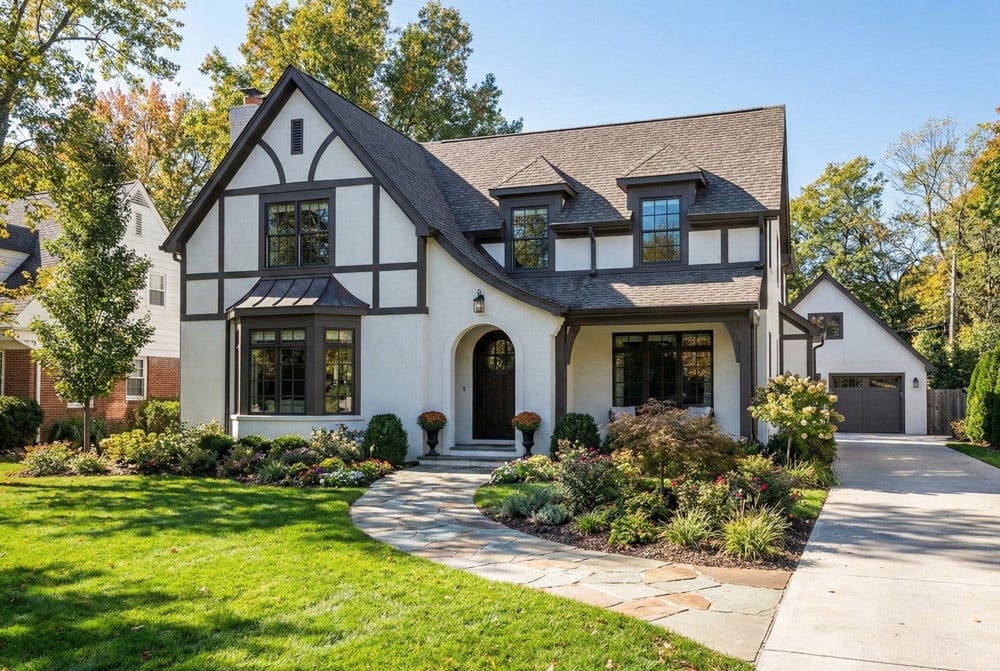
Best House or Best Location? What Nashville Homebuyers Should Consider
Resource Tony Carletello September 16, 2026
Resource Tony Carletello September 16, 2026
It happens all the time.
You walk into a house and love the kitchen. The finishes are beautiful. The primary suite checks every box. There’s plenty of storage, the backyard is ready for entertaining and you can picture yourself moving in tomorrow.
There’s just one problem.
You don’t love where it is.
Then there’s the other house.
The kitchen needs work. The paint isn’t your style. The bathrooms feel dated and the floor plan might require a little creativity.
But you love the street.
You love the commute.
And suddenly you’re faced with one of the most common questions in real estate:
After helping buyers navigate decisions like this for years, there’s one question we encourage them to ask:
That question can completely change the way you evaluate a home.
There are plenty of things about a house you can change over time.
Paint can change.
Flooring can change.
A kitchen can be renovated.
Bathrooms can be updated.
Lighting can be replaced.
Landscaping can be transformed.
Sometimes even walls and floor plans can be modified.
But there are other things you simply cannot change.
You cannot move the house to another street.
You cannot shorten your commute.
You cannot make the lot larger.
You cannot change what sits behind the property.
You cannot pick up the house and move it closer to the restaurants, schools, parks, friends or activities that are important to you.
That doesn’t automatically mean location should win every time. It does mean the things you cannot change deserve more weight in your decision.
When buyers hear "location," they often think about the neighborhood or ZIP code. Location is much more specific than that.
Two houses less than a mile apart can offer completely different experiences.
One may sit on a quiet cul-de-sac while another backs up to a busy road.
One may have a beautiful tree-lined backyard while another has future development planned nearby. One might offer sidewalks and easy access to restaurants while another requires getting in the car for almost everything.
When evaluating location, think about your actual day-to-day life.
How long will your commute be?
Where do you grocery shop?
How close are you to friends and family?
Are parks and outdoor spaces important?
Do you want walkability?
How often do you go downtown?
What will traffic look like during the times you actually travel?
A location that looks perfect on a map may feel very different once you experience it at 7:30 on a Monday morning.
This is one of the easiest traps for buyers to fall into.
A beautifully staged house with a gorgeous kitchen can create an immediate emotional response.
And that matters. You should be excited about the home you're buying.
But finishes can sometimes distract buyers from more important considerations. Before allowing the countertops and lighting to make the decision, look beyond them.
Consider the lot.
The street.
The natural light. The floor plan.
The size and placement of the rooms. The condition of major systems.
The surrounding properties.
The potential for future development.
And, most importantly, whether the location supports the way you actually want to live.
The prettiest house isn't always the best house to buy.
There's another side to this conversation.
"Buy the worst house in the best neighborhood" has been repeated in real estate for decades. It isn't always good advice.
Renovations cost money. Sometimes a lot of money.
They take time, require decisions and can create unexpected expenses.
Before choosing a house because you love the location, understand what it will realistically take to turn that property into something you'll enjoy living in.
A $50,000 difference between two houses can disappear quickly if the less expensive property needs a new kitchen, bathrooms, flooring, windows and major systems.
This is where having a realistic renovation budget matters.
The goal isn't simply to find a house you could improve.
It's to understand whether improving it makes financial sense.
One thing buyers sometimes underestimate is the value of the lot. A great lot can be incredibly difficult to replicate.
Consider:
• Privacy
• Topography
• Backyard usability
• Trees and mature landscaping
• Views
• Road noise
• Driveway access
• Outdoor living potential
• Adjacent properties
• Future development You can remodel a kitchen.
Creating another half-acre behind your house is considerably more difficult. When two homes are competing for your attention, the lot can be one of the most important tie-breakers.
A home needs to work for your life now, but it helps to think a few years ahead. Ask yourself:
Will this commute still work if my job changes? Could we need another bedroom?
Will we want more outdoor space? Are we likely to renovate?
Could aging parents or adult children affect how we use the home? Would we still enjoy this location if our daily routine changes?
You can't predict everything, and you shouldn't try.
But thinking beyond move-in day can help you avoid choosing a home based entirely on what feels right at this exact moment.
Even if you're convinced you've found your forever home, life has a way of changing plans. That's why we encourage buyers to think about resale before they buy.
Location can have a significant influence on future buyer demand. But resale isn't just about being in the "right" neighborhood.
Things such as a difficult lot, unusual floor plan, busy road, limited parking or nearby commercial use may affect how future buyers perceive the property.
A good question to ask before purchasing is:
There isn't one answer that works for every buyer.
For someone who values a short commute, walkability and neighborhood amenities, location may outweigh having the perfect kitchen.
For someone working remotely who wants acreage, privacy and a larger home, getting more house farther from the city may make perfect sense.
For another buyer, avoiding renovations may be worth compromising on location. That's why the best decision isn't necessarily:
House or location?
It's:
Which combination of house, location, price and lifestyle works best for you?
And when you're deciding between two imperfect options, come back to that original question:
Which problems can I solve?
At Carletello & Co., we believe one of the most important parts of representing a buyer is helping them look beyond what they see during a showing.
Our job isn't simply to open the door and tell you the house is beautiful.
It's to help you think about the property from every angle. The location. The lot. The lifestyle. The condition. The potential. The price. The future resale.
Sometimes that means pointing out an opportunity.
And sometimes it means pointing out something you may not want to hear. Because our goal isn't simply to help you buy a house.
It's to help you make a smart real estate decision and find a place that truly works for the life you want to live.
If you're thinking about buying in Nashville or Middle Tennessee, we'd love to help you navigate the process.
Stay up to date on the latest real estate trends.
Resource
The perfect house in the perfect location at the perfect price is every buyer’s dream. When all three don’t line up, knowing where to compromise can make all the diffe… Read more
Resource
Football is back, live music moves outdoors, fall festivals begin and Nashville gives us plenty of reasons to get out and enjoy the city this September.
Resource
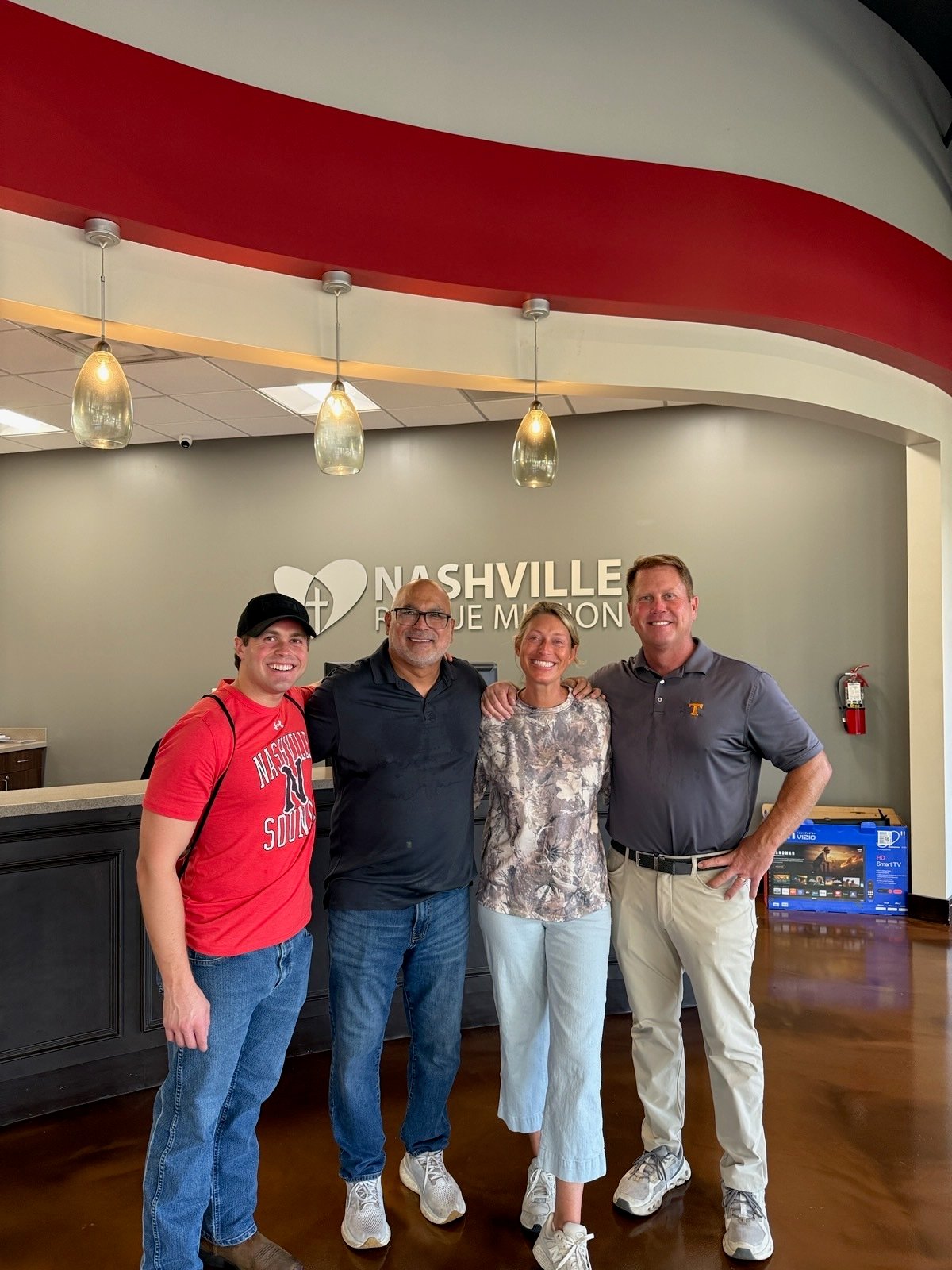
A Day at the Nashville Rescue Mission!

Resource
Football season has officially arrived
Resource
As the days begin to cool and summer gives way to fall, now is the perfect time to prepare your home for the changing seasons. A few simple maintenance tasks can help … Read more

Resource
Before summer fades into fall, there's still plenty of time to enjoy everything that makes Middle Tennessee such a wonderful place to call home. From live music and ou… Read more
Resource
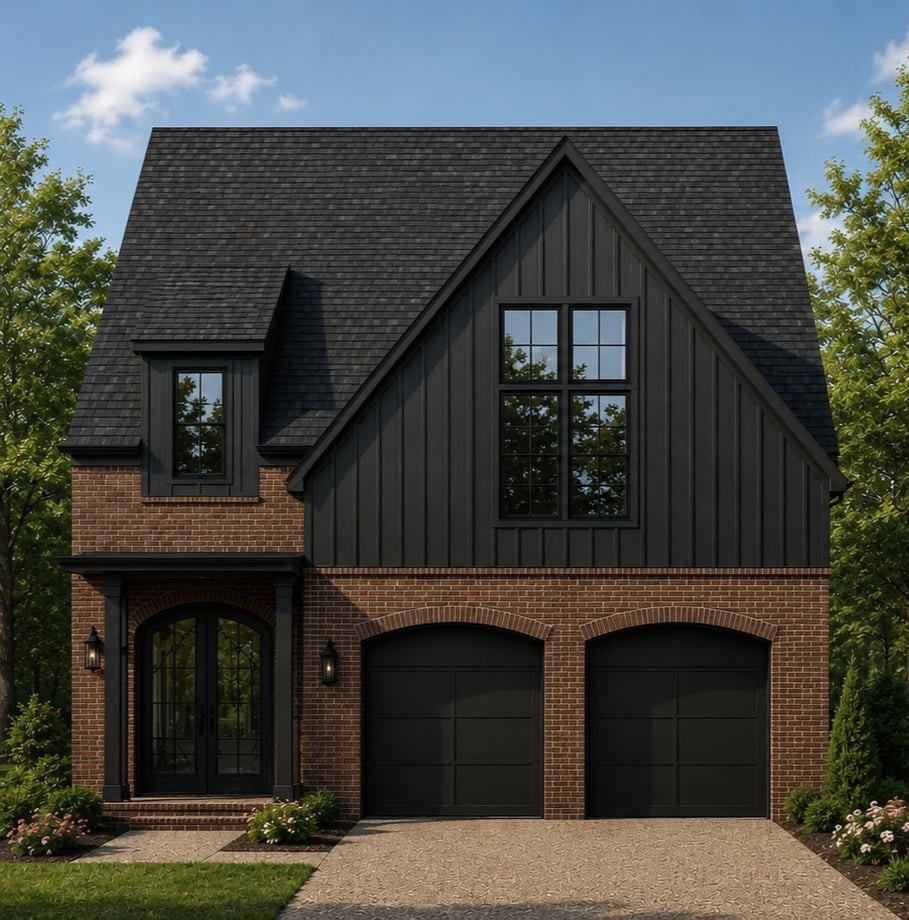
TWO HOMES. ONE VISION.
Resource
Why August Is a Great Time to Buy or Sell a Home in Nashville

Resource
10 Middle Tennessee Spots Worth Exploring This Summer
Get In Touch With Our Team To Learn More

3990 HILLSBORO PIKE STE 320 NASHVILLE TN 37215